

The Crucial Role of Nursing Clinical Rotations in Shaping Future Healthcare Heroes

In the fast-paced world of healthcare, nursing clinical rotations stand as a pivotal element where theory meets reality. These hands-on experiences play a crucial role in shaping aspiring nurses into capable professionals. Going beyond classroom learning, clinical rotations infuse practical wisdom into theoretical understanding, guiding students through a transformative journey from newcomers to proficient caregivers. This immersive process establishes a solid groundwork for nursing competency, adaptability, and a steadfast dedication to patient health and comfort.
Amidst the corridors of educational institutions, the clinical setting stands as a threshold between academia and the authentic medical world. Here, students step into a multi-dimensional arena, where real-life patients become not just medical cases, but stories to be understood, empathized with, and healed. The significance of nursing clinical rotations echoes on multiple levels. Beyond the classroom lectures and textbooks, these immersive experiences lay the foundation for a nurse’s competence, resilience, and unwavering commitment to patient well-being. Clinical rotations bridge theory and reality where textbook wisdom morphs into practical skills, and classroom discussions gain context and relevance. In the controlled chaos of a clinical setting, nursing students, cultivate critical thinking, nurture empathy and communication, adapt to diversity, develop resilience, and foster their professional identity.
Understanding Nursing Clinical Rotations
What Are Clinical Rotations?
Nursing clinical rotations are hands-on learning experiences where nursing students apply theoretical knowledge in real healthcare settings, working alongside experienced professionals. These rotations bridge the gap between classroom instruction and practical patient care, offering students a chance to develop essential skills, enhance their understanding of medical procedures, and cultivate the empathy required for effective patient interaction. Let’s take a closer look at the primary objectives of clinical rotations.
Primary objectives of clinical rotations
- Skill Development: Clinical rotations are instrumental in honing practical skills. Students learn to administer medications, perform procedures, and handle medical equipment under supervision, preparing them for the technical aspects of nursing practice.
- Patient Care Exposure: Clinical rotations provide direct exposure to patient care, allowing students to observe and participate in real-life scenarios. This fosters a deeper appreciation for patient needs, preferences, and the intricacies of bedside care.
- Integration of Theory into Practice: Theoretical knowledge gained in classrooms gains real-world context during clinical rotations. Students witness how medical concepts translate into patient care, solidifying their understanding and boosting their confidence in applying textbook knowledge.
- Critical Thinking and Decision-Making: Through clinical rotations, students learn to think critically and make informed decisions in fast-paced and dynamic healthcare environments. They analyze patient conditions, collaborate with healthcare teams, and adapt to unexpected situations, enhancing their clinical reasoning abilities.
- Communication and Interpersonal Skills: Effective communication is paramount in nursing. Clinical rotations provide opportunities for students to interact with patients, families, and fellow healthcare professionals. These interactions enhance communication skills and foster empathy.
- Exposure to Diverse Cases: Clinical rotations expose students to a wide range of medical cases and patient populations. This diversity prepares them to work with various health conditions, cultural backgrounds, and medical complexities.
- Professional Identity Formation: Immersion in clinical settings aids in the development of a professional nursing identity. Students witness the ethical and moral dimensions of healthcare, learning to embody nursing values and principles.
- Resilience and Adaptability: Healthcare environments can be challenging. Clinical rotations teach students to handle stress, witness suffering, and adapt to changing circumstances, cultivating resilience and adaptability.

Types of Nursing Clinical Rotations
Aspiring nurses traverse a range of clinical settings, each offering unique challenges and opportunities to refine their skills and compassion. Let’s delve into the array of clinical rotations nursing students may encounter, including medical-surgical, pediatric, obstetric, psychiatric, and community health rotations, highlighting their differences and commonalities.
- Medical-Surgical Rotations: In medical-surgical units, students care for patients with a wide range of medical conditions, such as respiratory issues, cardiac disorders, and gastrointestinal ailments. Here, students learn foundational nursing skills like wound care, medication administration, and monitoring vital signs. They develop a holistic approach to patient care, as these units often involve managing multiple medical needs simultaneously.
- Pediatric Rotations: From neonates to adolescents, students learn to communicate effectively with children, administer pediatric medications accurately, and address the unique emotional and developmental needs of pediatric patients. These rotations emphasize family-centered care, involving parents or guardians closely in the child’s care plan.
- Obstetric Rotations: Students experience antepartum, labor and delivery, and postpartum units, where they assist in childbirth, perform assessments on newborns, and educate expectant mothers on prenatal and postnatal care. These rotations emphasize the importance of safety during childbirth and the joys and challenges of ushering new life into the world.
- Psychiatric Rotations: In psychiatric units, students learn to engage with patients dealing with various mental health conditions, such as depression, schizophrenia, and bipolar disorder. These rotations emphasize therapeutic communication, de-escalation techniques, and the reduction of stigma surrounding mental health.
- Community Health Rotations: Students venture into the community to promote health and prevent illness. This could involve working in clinics, schools, or public health agencies, conducting health screenings, educating individuals about healthy behaviors, and addressing public health concerns like disease outbreaks or health disparities.
While each rotation has its distinct focus, they share overarching similarities:
- Patient-Centered Care: Regardless of the rotation, the patient remains at the center.
- Communication: Effective communication with patients, families, and healthcare teams is vital in all rotations.
- Technical Skills: Fundamental nursing skills, such as administering medications, wound care, and monitoring vital signs, are woven through all rotations.
- Holistic Approach: Every rotation encourages a holistic approach, recognizing that healthcare extends beyond physical needs to include emotional, psychological, and social well-being.
- Critical Thinking: Each rotation demands critical thinking, whether it’s identifying signs of complications, adapting care plans, or addressing the unique challenges of the clinical setting.
How to Prepare for Clinical Rotations
Clinical rotations mark the transition from theory to practice, where the art of nursing comes alive in real healthcare settings. To make the most of this transformative experience, nursing students need to be well-prepared both mentally and practically. Here’s a guide to help students navigate their journey:
1. Review Course Materials: Refresh your memory with the relevant theoretical concepts before stepping into the clinical setting. Understanding the basics allows you to grasp the practical applications more effectively.
2. Familiarize Yourself with Hospital Policies: Hospitals have their own protocols and policies. Study them in advance to ensure you adhere to safety guidelines, patient privacy rules, and other essential practices.
3. Acquire Necessary Equipment: Prepare your nursing toolkit. Ensure you have a stethoscope, clinical attire, comfortable shoes, and any required tools for your specific rotation, such as wound care supplies or assessment tools.
4. Mental Preparation: Clinical rotations can be overwhelming. Mentally prepare yourself for the challenges and successes. Reflect on your motivations, strengths, and areas for growth. This mental groundwork can help you stay focused and resilient.
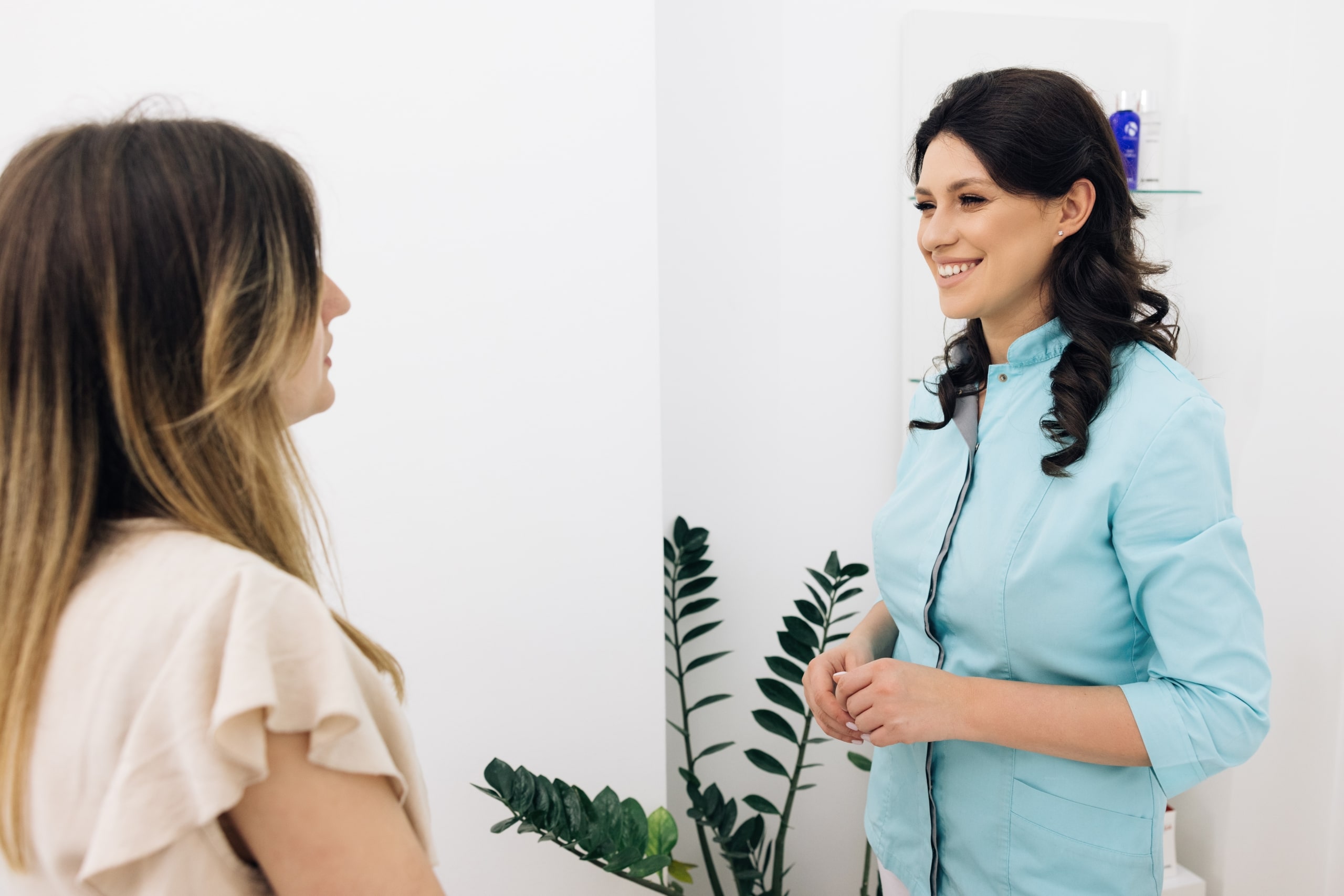
5. Develop Time Management Skills: Clinical rotations demand effective time management. Plan your day, accounting for patient care, learning opportunities, and documentation. Balancing these tasks is essential for a successful rotation.
6. Positive Attitude and Professionalism: Approach your rotation with an open mind and a positive attitude. Embrace learning opportunities, even if they’re outside your comfort zone. Display professionalism by being punctual, dressing appropriately, and communicating effectively.
7. Build Interpersonal Skills: Effective communication and teamwork are paramount in clinical settings. Practice active listening and respectful communication with patients, families, and healthcare teams.
8. Learn Hospital Culture and Etiquette: Every hospital has its own culture. Observe how healthcare professionals interact and adapt to the atmosphere. Respect the hierarchy, address your instructors and colleagues appropriately, and ask questions when needed.
9. Embrace Feedback: Constructive feedback is your ladder to improvement. Accept feedback graciously and use it to refine your skills. Don’t be discouraged by mistakes; they are stepping stones to growth.
10. Self-Care: Clinical rotations can be physically and emotionally taxing. Prioritize self-care to maintain your well-being. Get enough rest, eat healthily, engage in activities you enjoy, and seek support if needed.
How to Choose a Clinical Site
The assignment of nursing students to clinical sites involves a blend of student preferences, site availability, and curriculum requirements. Nursing programs often consider student preferences when assigning clinical sites. Students may express preferences based on the type of healthcare setting (hospital, clinic, community), patient population (pediatrics, geriatrics), or specific units (surgical, psychiatric). However, while preferences are taken into account, they may not always align perfectly due to availability. Clinical rotations align with specific learning objectives to ensure students are exposed to a comprehensive range of patient care experiences. The number of available clinical placements in each healthcare facility influences site assignments. Factors such as the capacity of the facility, the number of instructors available for supervision, and the quality of the learning environment play a role. Each clinical group requires an instructor to oversee students’ activities, guide their learning, and ensure patient safety. Site assignments also consider instructor availability and expertise.
Tips for Making the Most of Assigned Clinical Sites
Even if your assigned clinical site isn’t your top choice, approach it with an open mind. Every clinical setting offers unique learning opportunities that can contribute to your growth as a nurse. Take the initiative to engage with your clinical instructors and healthcare team. Show enthusiasm, ask questions, and express your interest in various procedures or cases. Before each clinical rotation, set personal learning goals. Whether it’s mastering a specific skill or improving your communication with patients, having clear objectives can enhance your experience. Nursing is about adaptability. You might not always be assigned to your preferred specialty, but learning to work in diverse environments equips you with versatile skills. In addition, forge connections with your clinical instructors, preceptors, and fellow students. Networking can lead to mentorship and future career opportunities. Seek feedback from your clinical instructors and healthcare team. Constructive criticism helps you understand your strengths and areas for growth. Most importantly, it’s important to demonstrate professionalism at all times. Arrive on time, follow hospital policies, communicate effectively, and treat patients with respect and compassion.

Clinical Rotation Schedule
The schedule, duration, and balance between classroom instruction and clinical experience vary. Nursing clinical rotations typically follow a set schedule, usually aligning with regular working hours in healthcare facilities. Shifts can range from morning to evening, and sometimes even night shifts to expose students to the full spectrum of patient care. The duration of clinical rotations varies depending on the nursing program and the specific rotation. Generally, rotations last from several weeks to a few months. For example, medical-surgical rotations might span a few weeks, while obstetric or psychiatric rotations could be more concentrated. Clinical rotations are often scheduled in blocks. Students might have consecutive days or weeks of clinical rotations followed by a period of classroom instruction before moving on to the next rotation.
The blend between classroom instruction and clinical experience is the hallmark of nursing education. This balance ensures that students understand the “why” behind what they do and gain practical skills. Effectively managing time during clinical rotations is crucial to ensure a smooth experience:
- Before your shift, review patient charts, care plans, and relevant medical information. Being prepared minimizes downtime during your rotation.
- Organize your tasks for the day, including patient care, assessments, and any specific procedures you need to observe or perform.
- Communicate with your clinical instructor or preceptor about your goals for the day and any specific experiences you’re seeking.
- Use tools like a nursing watch with a second hand for vital sign assessments, a pocket-sized notebook for jotting down observations, and a planner for tracking tasks.
- After patient interactions, take time to document your observations, interventions, and outcomes. Reflect on what went well and what could be improved.
- If you’re struggling to manage your time effectively, don’t hesitate to ask your clinical instructor or preceptor for guidance.
- Reflect on your experiences, challenges, and achievements after each shift. This helps you learn and grow as a nurse.
Role of Clinical Instructors
Clinical instructors are the lighthouses that guide nursing students through the tumultuous yet rewarding seas of clinical rotations. Their pivotal role in shaping future healthcare professionals cannot be overstated. Let’s delve into the vital role clinical instructors play, their mentorship methods, and tips on building a positive relationship with them.
Clinical instructors bring real-world insights, clinical wisdom, and practical skills that students can learn from. Instructors facilitate skill acquisition by demonstrating procedures, providing step-by-step guidance, and supervising students as they practice various nursing tasks. They encourage critical thinking by posing thought-provoking questions, challenging students to analyze patient scenarios, and guiding them in developing care plans based on assessments. Instructors ensure students adhere to hospital policies, maintain hygiene standards, and treat patients with respect and empathy. Moreover, they provide constructive feedback on students’ performance, highlighting strengths and areas for improvement.
It’s very important to build a positive relationship with an instructor. Communicate your goals, interests, and any concerns you might have. Take the initiative to ask questions, seek guidance, and express your enthusiasm for learning. Instructors appreciate students who are engaged and curious. If you’re interested in observing a specific procedure or working with a certain patient population, express your interest. Additionally, it’s critical to understand that feedback is a tool for growth, not criticism. Use it to refine your skills and knowledge. If you find a clinical instructor whose teaching style resonates with you, consider seeking their mentorship. Furthermore, remember that clinical instructors have busy schedules. Respect their time and make the most of the opportunities they provide. Most importantly, remember that clinical instructors are evaluating your performance. Approach each shift with professionalism and dedication.
Skills Development During Clinical Rotations
Clinical rotations serve as the crucible where nursing students refine essential skills that form the backbone of their practice. These skills, ranging from patient assessment to intricate procedures, are honed through hands-on experience and guided instruction. Let’s explore some vital nursing skills, along with examples and strategies for practicing and enhancing them during clinical rotations.
Patient Assessment: This involves observing physical and mental status, gathering vital signs, and identifying potential issues. For instance, evaluating a patient’s respiratory rate, heart rate, blood pressure, and temperature helps gauge their overall health.
Practice and Improvement: Start by observing experienced nurses during assessments. Gradually, under supervision, perform assessments on patients. Pay attention to changes over time and document accurately.

Medication Administration: Nursing students must understand dosage calculations, medication interactions, and proper administration routes. For instance, learning to administer oral medications, subcutaneous injections, or intravenous medications is crucial.
Practice and Improvement: Begin by practicing dosage calculations and reviewing medication guidelines. Start with simpler medications and gradually move on to more complex ones. Always double-check dosages and confirm patient information.
Wound Care: Students learn to assess wounds, clean and dress them, and monitor for signs of complications. This skill is essential for patients with surgical incisions, pressure ulcers, or other types of wounds.
Practice and Improvement: Start with observing wound care procedures under supervision. As you gain confidence, actively participate in wound care tasks. Learn different dressing techniques and understand the importance of sterile procedures.
IV Catheter Insertion: Students learn to insert IV catheters into veins, ensuring proper fluid and medication delivery. This skill is crucial in various healthcare settings.
Practice and Improvement: Begin by observing IV insertions and learning about different catheter sizes. Practice on simulation models before attempting on patients. Seek guidance from experienced nurses and reflect on your performance.
Effective Communication: Students learn to convey information clearly, listen actively, and provide empathetic support. Effective communication builds trust and fosters collaboration.
Practice and Improvement: Engage in conversations with patients, practicing active listening and offering clear explanations. Observe experienced nurses during patient interactions to learn effective communication techniques.
Patient Education: Educating patients about their conditions, medications, and post-care instructions is essential for promoting self-care and preventing complications. Students learn to convey information in an understandable manner.
Practice and Improvement: Start by observing how nurses educate patients. Gradually, take the lead in providing information to patients under supervision. Use visual aids and simplify complex medical terms.
Documentation: Accurate and timely documentation is a legal and ethical responsibility. Students learn to document patient assessments, interventions, and outcomes clearly and concisely.
Practice and Improvement: Observe how experienced nurses document patient care. Practice documenting your own interventions accurately and in a timely manner. Seek feedback on your documentation skills.
The Challenges of Clinical Rotations
Nursing clinical rotations offer an incredible learning experience, but they can also present challenges that test a student’s resilience and adaptability. Remember that challenges are part of the learning process. Embrace them as opportunities for growth and development. Seek support from your clinical instructors, fellow students, and healthcare team to overcome obstacles and emerge from clinical rotations as a stronger and more capable nurse.
Let’s delve into some common challenges nursing students may encounter during clinical rotations and explore practical solutions to overcome them.
Time management: Balancing patient care tasks, learning opportunities, and documentation can be overwhelming. Struggling with time management might lead to stress and compromise patient care.
Solution: Develop a daily plan that outlines tasks, priorities, and breaks. Delegate tasks when possible, but maintain vigilance over critical responsibilities. Gradually, your time management skills will improve with practice.

Stress and Pressure: Clinical settings can be emotionally charged and demanding. Students may feel stress and pressure while trying to meet expectations and provide safe patient care.
Solution: Practice stress management techniques like deep breathing, mindfulness, or short breaks. Seek support from peers and clinical instructors. Remember that seeking help is a sign of strength, not weakness.
Dealing with Difficult Patients: Interacting with patients who are uncooperative, agitated, or in pain can be challenging. These situations require patience, empathy, and effective communication.
Solution: Approach each patient with empathy and respect. Practice active listening and acknowledge their concerns. Seek guidance from experienced nurses or clinical instructors on handling difficult patient interactions.
Fear of Making Mistakes: The fear of making errors can be paralyzing. While learning, nursing students might worry about jeopardizing patient safety.
Solution: Understand that mistakes can happen in a learning environment. Focus on following procedures correctly and double-checking your actions. Communicate openly with your clinical instructor about any concerns.
Cultural Sensitivity: Clinical settings expose students to a diverse range of patients with varying cultural backgrounds, beliefs, and practices. Misunderstandings might occur.
Solution: Educate yourself about different cultures and their healthcare beliefs. Approach patients with an open mind and a willingness to learn. If uncertain, ask patients about their preferences and respect their choices.
Confidence Building: Starting as a novice in a clinical setting can be intimidating. Lack of confidence might hinder your ability to perform tasks effectively.
Solution: Recognize that confidence comes with practice. Start with simple tasks and gradually move on to more complex ones. Reflect on your successes and learn from your challenges.
Ethical Dilemmas: Nursing often involves ethical decision-making. Students might encounter situations that challenge their values and beliefs.
Solution: Discuss ethical concerns with your clinical instructor or a nurse on your team. Seek guidance from experienced professionals to understand different perspectives and make informed decisions.
Fatigue: Long shifts and demanding patient care tasks can lead to physical and mental fatigue.
Solution: Prioritize self-care by getting adequate rest, maintaining a balanced diet, and engaging in stress-relieving activities outside of clinical hours.
The Importance of Reflective Practice During Clinical Rotations
In the dynamic world of nursing clinical rotations, where every moment is a learning opportunity, the act of reflection emerges as a transformative tool that propels students toward excellence. Reflection isn’t just a pause to ponder; it’s a deliberate act that nurtures learning, cultivates competence, and shapes compassionate caregivers. Reflective practice prompts students to analyze situations from various angles. By questioning their decisions and thought processes, students foster critical thinking skills that are crucial in clinical settings. As students reflect on past experiences, they build a mental repository of solutions and strategies. This equips them to navigate similar challenges more efficiently and creatively in the future. Also, reflection encourages students to explore their emotional responses to patient care situations. This self-awareness fosters emotional intelligence, enabling students to provide more empathetic and patient-centered care.

Framework for Structured Reflection
Reflective practice is the compass that guides nursing students through the intricacies of clinical rotations. It’s a continuous cycle of learning, growing, and evolving. By weaving reflection into your clinical journey, you’ll not only enhance your clinical competence but also cultivate a compassionate and empathetic approach to patient care that defines the essence of nursing.
Try the following framework:
- Description: Start by describing the experience in detail. What happened? Who was involved? What were your actions and decisions?
- Feelings: Reflect on your emotions during the experience. Were you nervous, confident, frustrated, or relieved? Explore how your emotions influenced your actions.
- Evaluation: Analyze the experience critically. What went well? What could have been done differently? Assess the outcomes of your decisions.
- Analysis: Dig deeper into the experience. Why did you react the way you did? Were there any ethical dilemmas or cultural considerations involved?
- Conclusion: Summarize your reflections. What did you learn from this experience? How can you apply this learning in future situations?
- Action Plan: Based on your reflections, outline actionable steps for improvement. How can you enhance your skills, communication, or decision-making based on this experience?
Explore a Nursing Program That Fits Your Needs Today
Through immersive experiences, students develop essential skills, gain practical wisdom, and cultivate a profound understanding of patient care. The significance of clinical rotations lies in their ability to infuse life into theoretical knowledge, enabling students to apply concepts in real healthcare settings. Students develop skills like patient assessment, medication administration, wound care, and effective communication that are foundational to nursing practice. Clinical settings nurture critical thinking by presenting challenges that demand thoughtful analysis and decision-making. Exposure to diverse patient cases and situations hones students’ adaptability and problem-solving abilities. Lastly, through patient interactions, students learn to understand and empathize with patients’ physical, emotional, and cultural needs.
At Eagle Gate College, we offer a comprehensive range of nursing programs to cater to your aspirations and goals. Explore how to become a registered nurse or if you want to elevate your existing nursing career, check out our RN to BSN program, which is designed to help you bridge the gap and advance in your career. With our BSN program, you can have all the necessary skills and knowledge to excel in different types of hospital nursing jobs. With Eagle Gate College, you can become a competent and compassionate healthcare professional, prepared to make a meaningful impact in the field of nursing.
Share this entry.
While this blog may occasionally contain information that relates to Unitek College's programs or courses, the majority of information provided within this blog is for general informational purposes only and is not intended to represent the specific details of any educational offerings or opinions of Unitek College. *Please note that wage data provided by the Bureau of Labor Statistics (BLS) or other third-party sources may not be an accurate reflection of all areas of the country, may not account for the employees' years of experience, and may not reflect the wages or outlook of entry-level employees, such as graduates of our program. (accessed on 10/02/2026)